
Current Work
Since 2014 I have been working for the Architectural Heritage Fund, initially as the Projects & Development Officer covering Scotland and the north of England, later their Support Officer for Scotland, and most recently as their Scotland Development Manager. The AHF helps charities and other non-profits to bring historic buildings at risk back into sustainable new uses for their communities, using heritage as a catalyst for locally-led regeneration. AHF provides advice, grants and cash flow loans - find out more here. We support more than fifty community-led historic building projects throughout Scotland every year.
With my scientific background, I retain a real interest in data analysis and visualisation, and have created PlaceExplorer.org as a tool to help bring together disparate sources of information on places of interest.
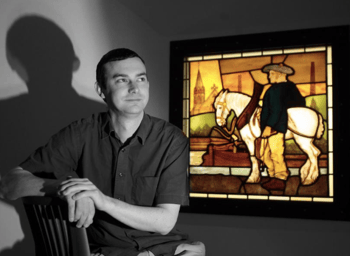
Prior to the AHF, in April 2010, I was appointed as Heritage Development Manager for Maryhill Burgh Halls Trust. The Trust was set up in 2004 to breathe new life into the former Burgh Halls complex at the heart of Maryhill. As part of the £9M project, and their first ever employee, I’ve was involved in a wide variety of different areas, from running workshops based on Heritage Trades, doing work with schools and community groups, managing a tender process for new artworks, doing archive research, interpretation design, negotiating contracts for historic object displays, creating the website, writing press releases and managing events, giving guided tours, promoting the project to a variety of audiences through public talks, to creating walking trails and developing associated smartphone apps. The fantastic building, is now once again home to its unique series of stained glass panels created by Stephen Adam, depicting the industries of Maryhill in the 19th Century.
Cinemas
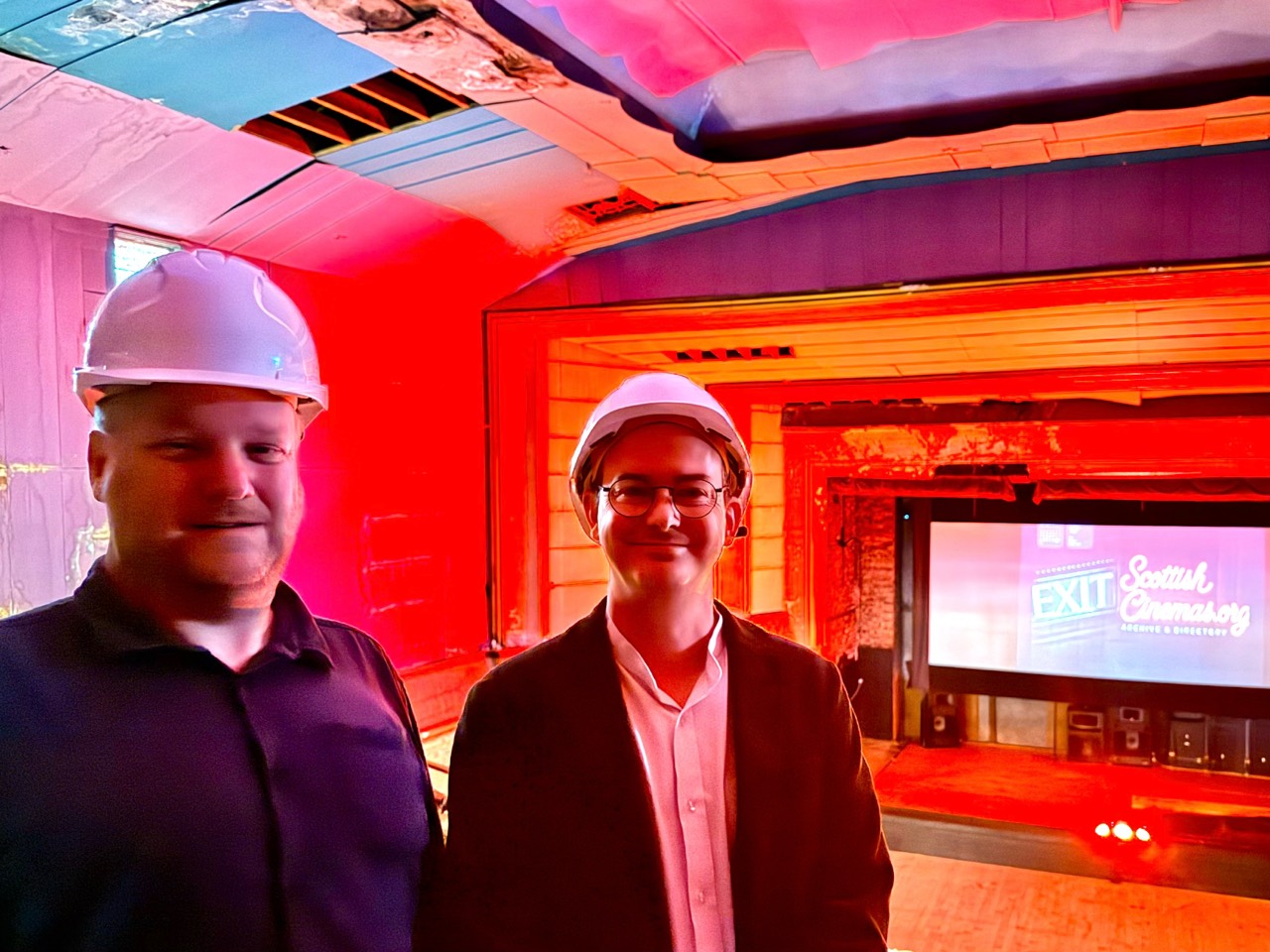
I am co-editor and original creator of the ScottishCinemas.org website, a web resource now running for over 25 years, dedicated to recording and archiving our historic cinema & theatre architectural heritage, and to act as a information resource for people interested in that often overlooked part of our social history. It acts as an online resource of all of Scotland’s cinema buildings, from 1902 to the present day. This is fully searchable and regularly updated as new information becomes available. It currently contains information on over 1,300 cinemas. My cinema colleague Gary Painter and I often give talks on Scotland’s cinema heritage.
Additionally, I am a committee member of the Cinema Theatre Association, the national body for the study and protection of traditional cinema buildings, and active in their Scottish branch, CTA Scotland. I recently helped to re-launch the CTA-hosted UKCinemas website, with information on open cinemas, multiplex cinemas, listed cinemas and cinemas at risk throughout the UK.
I was previously on the steering group of the now completed AHRC-funded Early Cinema in Scotland project, based at the University of Glasgow.
Coca-Cola Roller
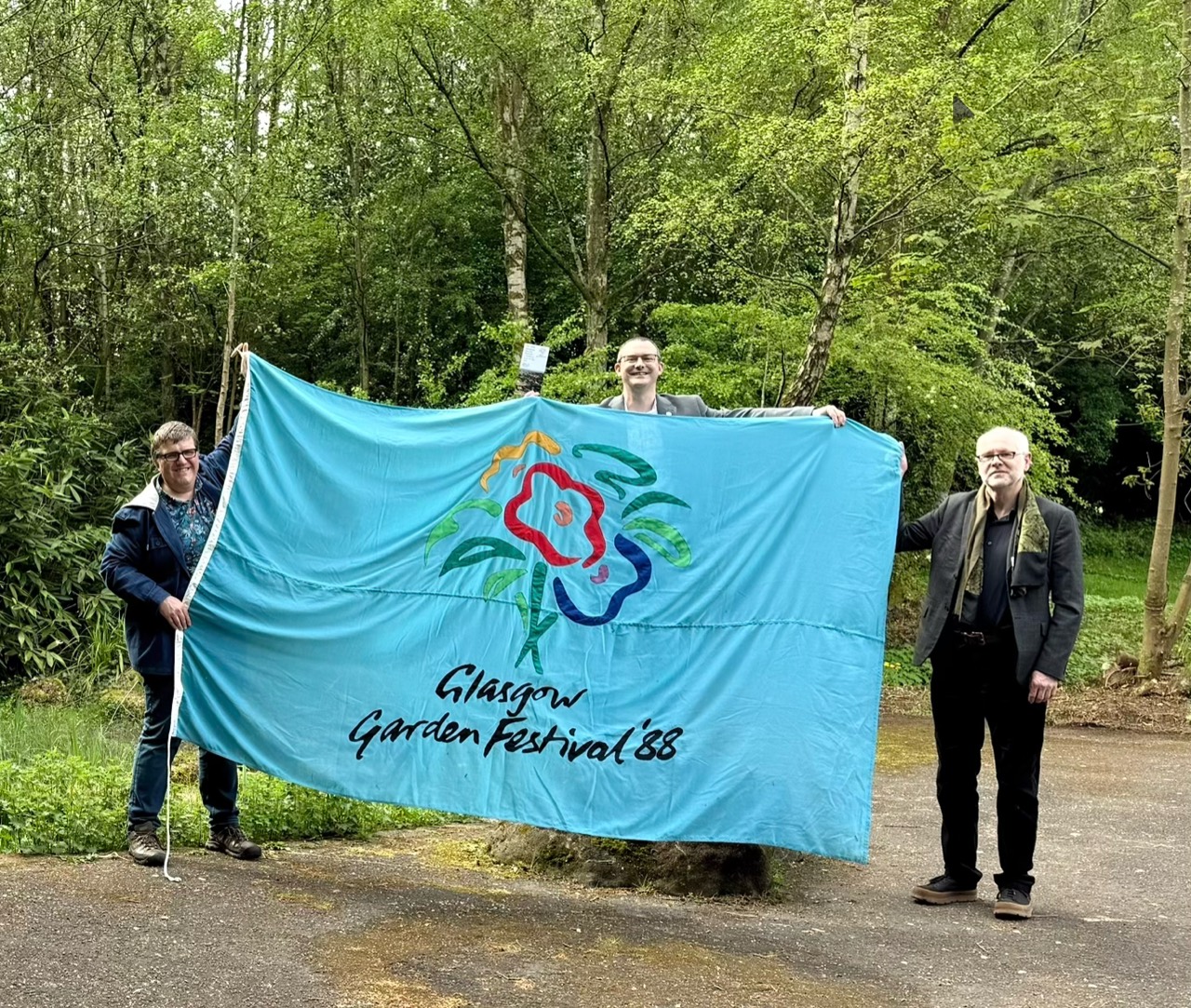
A recent non-cinema heritage project I helped deliver was After the Garden Festival, a project to catalogue and record what remains of the 1988 Glasgow Garden Festival, both on its original site and further afield. Along with co-conspirators Lex Lamb and Kenny Brophy, this has led to an interactive database of the festival, some walking tours, a self-guided tour leaflet, and some brand new interpretation boards in Festival Park explaining, for the first time, what used to be there on the ground.
Chemistry
For many years, in my pre-heritage academic career, I was a post-doctoral research fellow in the Theoretical Crystallography group, part of WestCHEM at the Department of Chemistry, University of Glasgow. I was also involved in helping with IT support in the Chemistry Department, in particular working on special projects, including the Chemistry Plasma Information Screen System, and updating many of the database and web-related systems used in the department at the time.
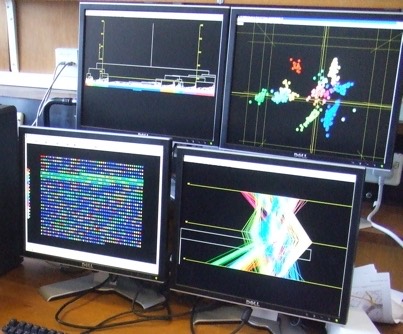
I developed analytical techniques and technologies during my Chemistry PhD which were developed into a successful commercial software package used in major pharmaceutical companies across the globe, transforming it from an academic project to the gold standard of high throughput data analysis. For more information on the research into cluster analysis in Chemistry, or details of the PolySNAP and dSNAP high throughput data analysis and visualisation software I developed and supported, please visit my old work website here, which also features a full list of the more than 20 peer-reviewed publications I contributed to.
Thanks to my work at Glasgow, I’m a 2008 alumni of the prestigious NESTA Crucible Program, and have been involved in the subsequent DataMIX interdisciplinary project involving data analysis and presentation techniques.
Cow
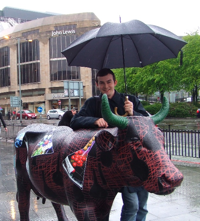
Along with the late, great Andy Parkin, I was jointly responsible for Chem-moo-stry – the Chemistry Cow! A unique member of the 2006 Edinburgh Cow Parade, Chem-moo-stry is a scientific bovine, interested in explaining science through art – displaying some of the modern, cutting-edge chem-moo-stry research from the cow-laborations between the Scottish Universities forming ScotCHEM.
The cow is now retired, and happily currently grazing at Glasgow University’s Chemistry Department – for more details on this Public Promotion of Science project, please visit the archived version of the Chem-moo-stry website here.
Consulting
In my spare time, I write, agitate about poor planning applications, give walks, talks and tours relating to Scotland’s history and heritage, and have also in the past provided IT, web and design-related consultancy services to a number of private and public sector clients.
You can contact me at gbarr [at] mac [dot] com.